

Creating a balanced learning environment that combines structure and flexibility is one of the most effective ways to foster your child's educational growth. The key lies in empowering children to take charge of their own education while providing the structured guidance they need to thrive.
When we achieve this integrated balance between routine and spontaneity, we create a space where learning becomes an enjoyable experience rather than a chore, leading to a lifelong love of learning.
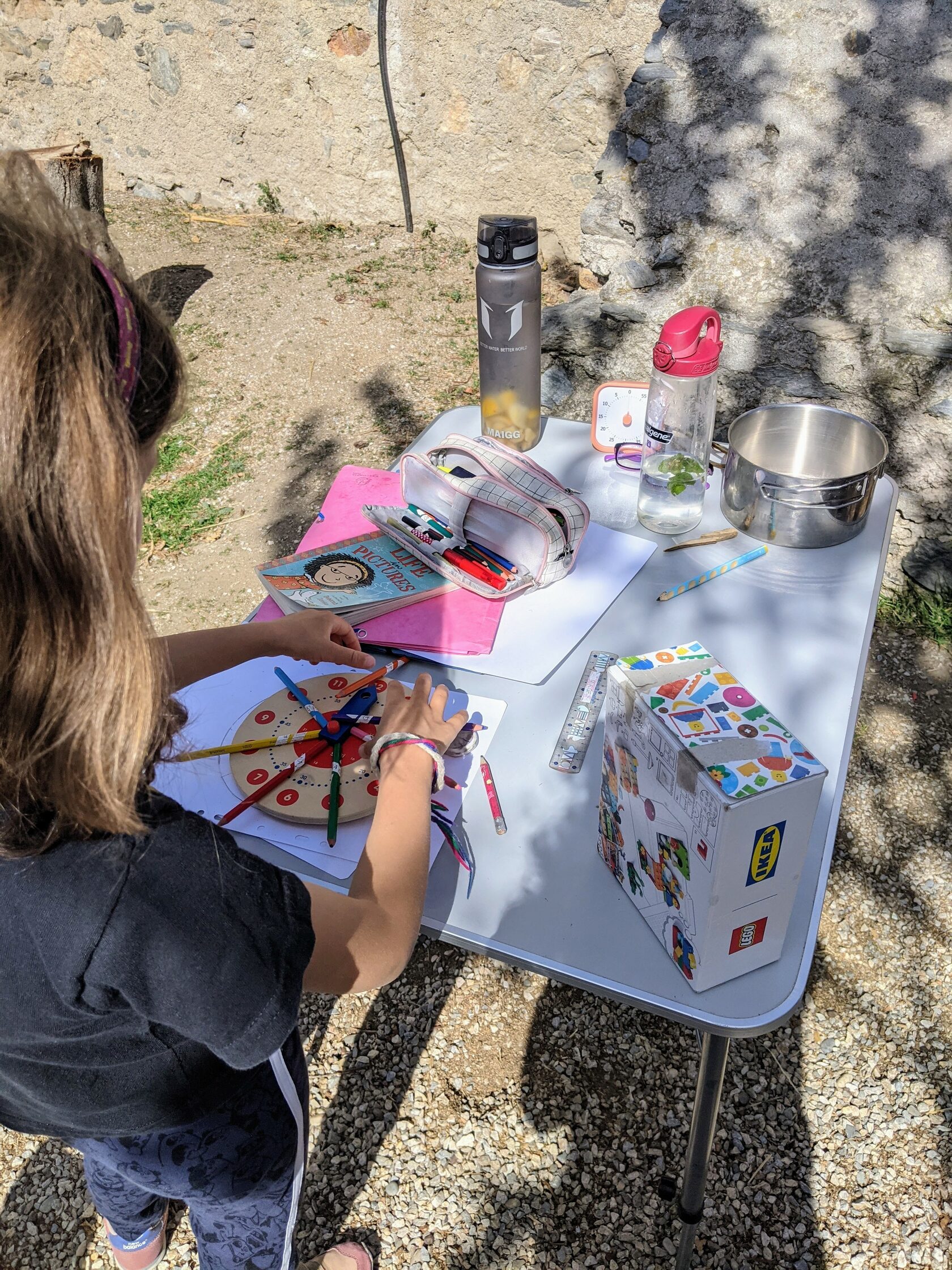
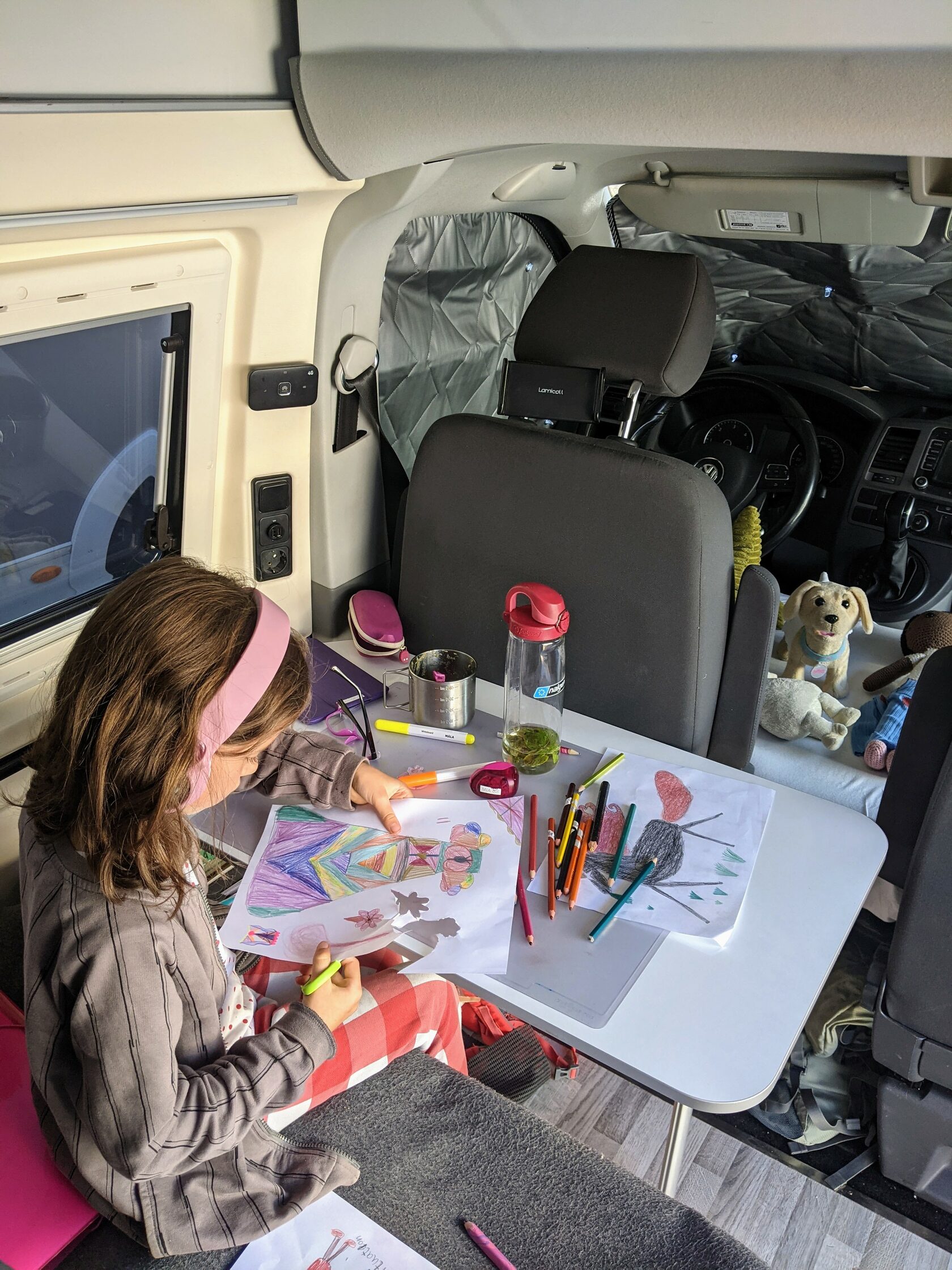
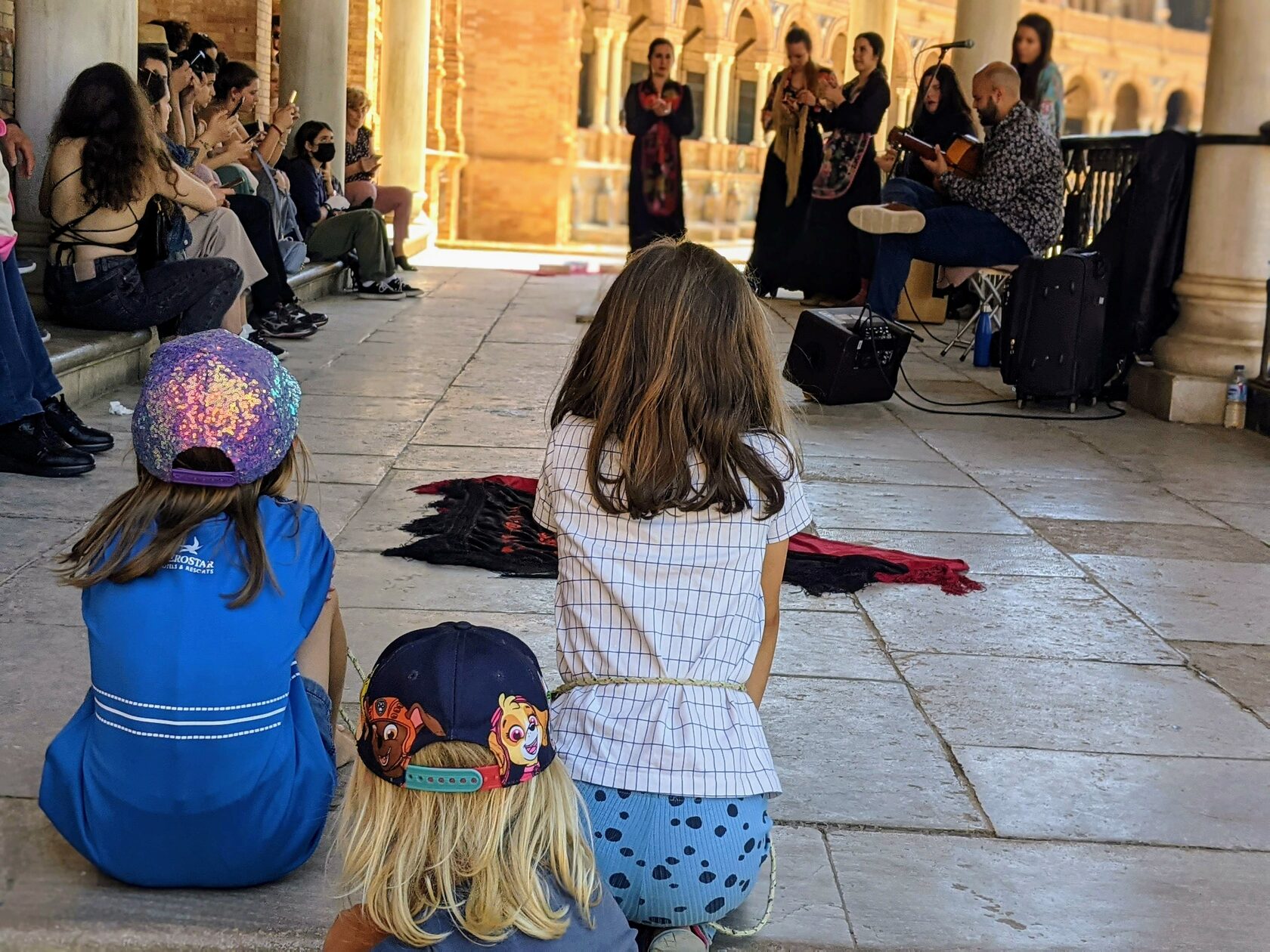
Key Recommendations for Balanced Learning
Here are the essential elements for creating an effective balance:
1. Establish a Basic Daily Learning Routine
Set specific learning times each day that provide structure while remaining flexible enough to accommodate your child's natural rhythms and interests. This consistency helps children feel secure while knowing what to expect.
2. Allow Children to Suggest and Decide Learning Activities
Empower your child by involving them in the decision-making process. When children have a say in their learning activities, they become more invested and engaged in the educational process.
3. Practice Skills They Are Passionate About
Encourage your child to dive deeper into subjects that genuinely interest them. This passion-driven approach naturally leads to more meaningful learning experiences and skill development.
4. Focus on Weekly Improvement Areas
Identify specific areas where your child can grow and improve, then create focused weekly goals that are achievable and motivating.
Creating an Effective Weekly Structure
Sample Weekly Learning Framework:
- Monday Morning: Review previous week's accomplishments and set new goals
- Exploration Day: Dedicated time for discovering new topics and interests
- Field Trip Day: Visit museums, exhibitions, or other educational locations
- Friday Reflection: Assess progress and celebrate achievements
Practical Learning Example
Here's how this balanced approach works in practice:
For a child who loves reading but struggles with writing, you can:
- Allow them to choose their favorite book (passion-driven element)
- Help them select meaningful passages that resonate with them
- Practice copying these passages in a special notebook (skill improvement)
- Gradually increase writing complexity as confidence builds
- Use treats or favorite learning spaces as positive reinforcement
The Benefits of Integrated Balance
When we successfully combine routine with spontaneity, children experience:
- Increased engagement and motivation in learning
- Greater ownership of their educational journey
- Improved confidence in their abilities
- Development of self-regulation skills
- A natural love for discovery and growth
Practical Implementation Tips
To successfully implement this balanced approach:
- Start with small, manageable routines and gradually build complexity
- Remain flexible and adjust based on your child's responses
- Celebrate both planned achievements and spontaneous discoveries
- Create learning spaces that inspire both focused work and creative exploration
- Encourage your child to reflect on their own learning preferences
Remember, the goal isn't to create a rigid schedule, but rather to provide a framework that supports both structured learning and natural curiosity. This integrated approach helps children develop into confident, self-directed learners who can adapt to various educational environments throughout their lives.
By achieving this balance between routine and spontaneity, we empower our children to take ownership of their learning journey while providing the support and structure they need to succeed.